Condition
Back Pain
Back pain is one of the most common problems we see — and one of the most treatable. Whether it’s a dull ache from sitting too long, a sudden twinge from lifting awkwardly, or a more persistent issue like sciatica or disc-related pain, we’ll help you get to the root of the problem. At Back to Fitness Physio, we combine expert hands-on care with personalised rehab — including Pilates and strength-based classes — to get you moving confidently again.
What is Back Pain?
Back pain is incredibly common — most of us will experience it at some point. It can come on suddenly after lifting or twisting awkwardly, or it might build gradually from long hours at a desk, stress, or muscle fatigue. You might feel it across your lower back, in one specific spot, or radiating into your buttock or down the leg, as with sciatica.
Common causes include muscle strain, joint stiffness, disc irritation, or nerve involvement. It may also be linked to age-related changes like arthritis or disc wear — but that doesn’t mean you just have to live with it.
Back pain affects people of all ages and lifestyles — from active gym-goers to busy parents and desk-based workers. It can be frustrating and sometimes worrying, especially when it limits what you can do.
The good news is that most back pain is treatable with the right approach. At Back to Fitness Physio, we use a mix of hands-on treatment, movement retraining, and strength-based rehab — including Pilates and classes at our Rehab Barn — to help you feel stronger, move better, and stay in control of your recovery.
What are the Common Symptoms of Back Pain?
Back pain can feel very different from person to person. It might present as a dull, constant ache across your lower back, a sharp pain that catches when you move a certain way, or a feeling of stiffness that’s worse in the morning or after sitting too long. Some people describe a deep, nagging discomfort; others feel a sudden jolt or spasm that stops them in their tracks.
In more complex cases, back pain may also cause symptoms like pain radiating into the buttocks or down the leg, numbness or tingling, or a sense of weakness — particularly if a nerve is involved, as in sciatica.
You might notice it flares up during bending, lifting, twisting, or long periods of sitting or standing. It’s also common for pain to feel worse with stress, fatigue, or disrupted sleep.
Whether your back pain is new or something you’ve been living with for years, the key is finding out what’s causing it — and building a plan to treat the symptoms and tackle the root cause.
How we can Help With Back Pain
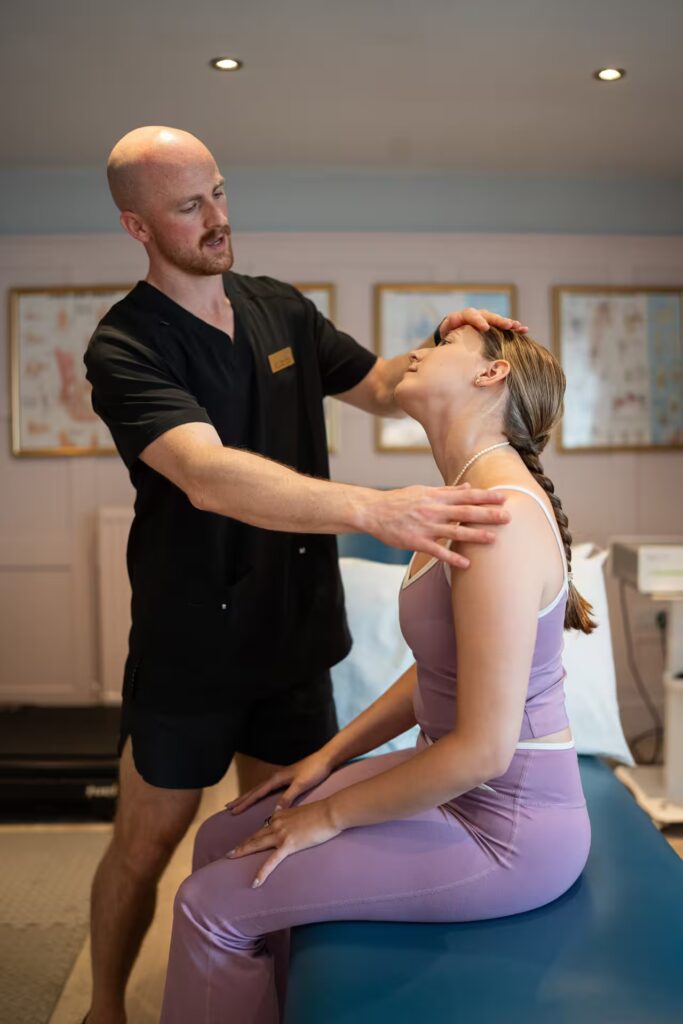
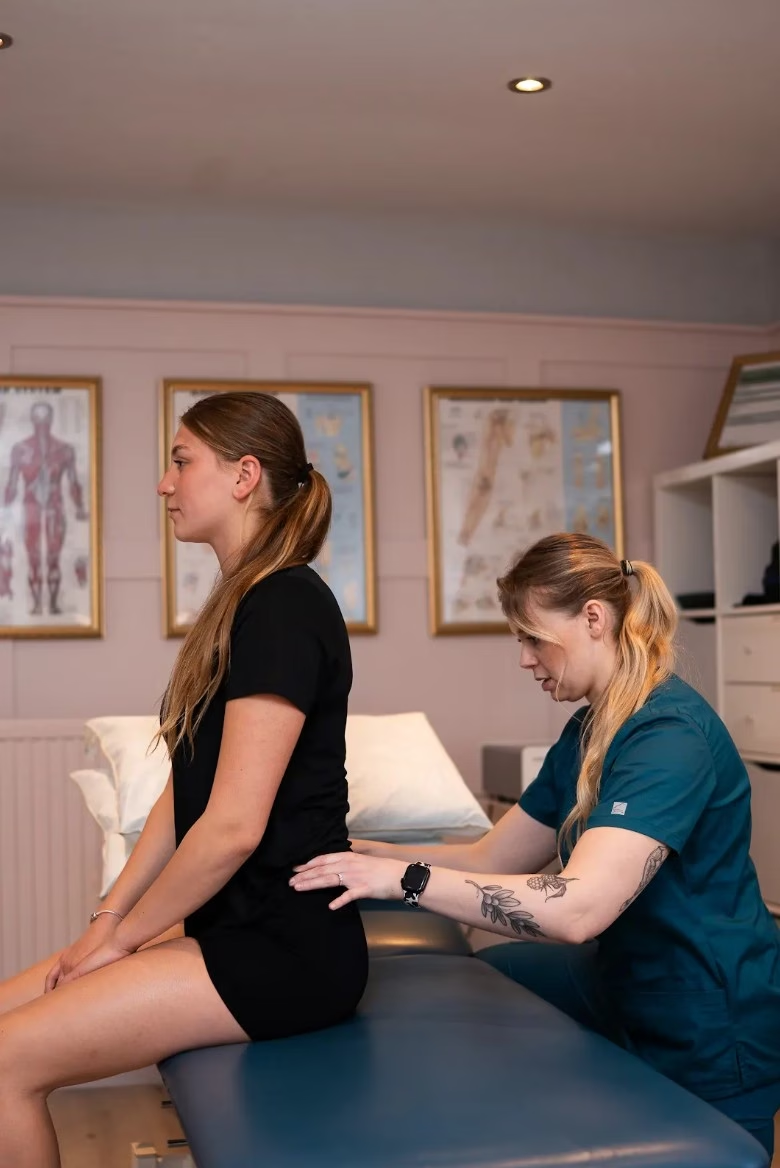
At Back to Fitness Physio, we don’t believe in quick fixes or generic exercise sheets — we take the time to understand your back pain. That starts with a thorough assessment, where we look at how your spine, hips and nervous system are working together. We’ll explain what’s likely causing the issue and create a treatment plan tailored to you.
Hands-on techniques might be used to ease stiffness, reduce muscle tension, or improve movement in the spine and surrounding joints. We’ll also guide you through targeted rehab — helping you strengthen the right muscles, move with more confidence, and avoid future flare-ups.
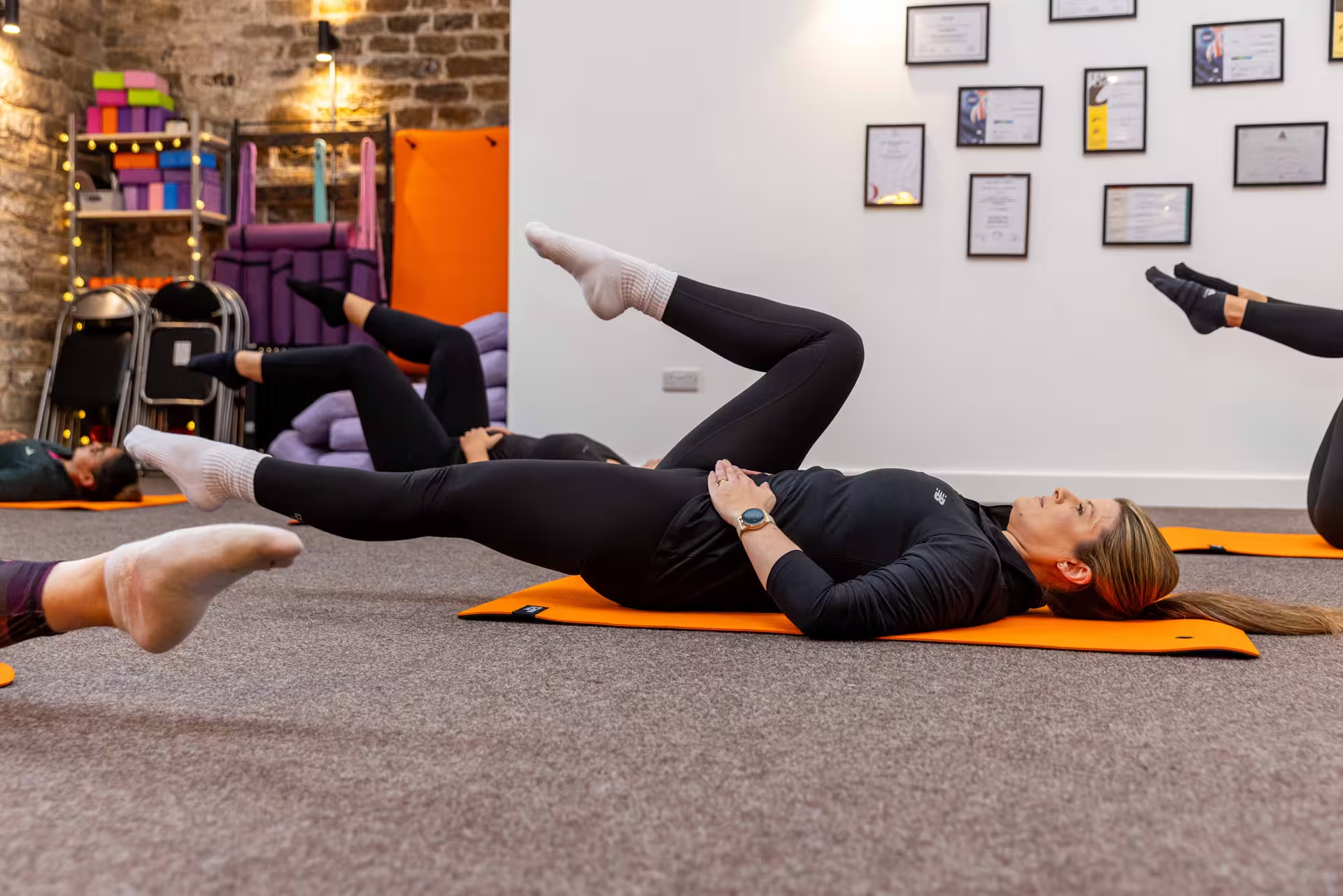
Many people benefit from 1:1 or small-group Matwork and Reformer Pilates to build core control and spinal stability. If your pain is linked to posture, activity, or a lack of movement, yoga, Back to Balance, or Back to Activity classes may also support recovery.
And if you’re struggling with more stubborn symptoms, we can offer K-Laser or shockwave therapy as part of a combined treatment approach.
Our goal is always the same: to get you out of pain, moving freely, and back to doing what you love.
Benefits of Back Pain Treatment
Effective back pain treatment can make a real difference — not just to your pain levels, but to how you live your day-to-day life. Many of our patients tell us they didn’t realise how much their back pain was affecting them until it started to ease. Suddenly, getting out of bed feels easier, sitting through a meeting isn’t such a struggle, and they feel more confident moving, lifting or exercising again.
You can expect to see improvements in mobility, posture and movement quality, and — most importantly — a reduction in pain. As you build strength and confidence through tailored rehab, you’ll also be less likely to experience future flare-ups or setbacks.
Long-term, our goal is not just pain relief but resilience — helping you feel stronger, more capable, and back in control of your body. Whether you’re dealing with a recent injury or long-standing discomfort, we’ll guide you step by step, with clear goals and the support you need to get there.
Faq's
Back Pain FAQs
Is exercise bad for back pain?
No — in most cases, the right kind of exercise is actually one of the best things you can do for back pain. While rest may be needed initially, gentle movement helps reduce stiffness, ease muscle tension and support healing. A physio can guide you on what’s safe and helpful for your stage of recovery.
How to sleep with back pain?
Try sleeping on your side with a pillow between your knees, or on your back with a pillow under your knees. The key is keeping your spine in a supported position. A firm mattress and good sleep routine also help reduce overnight stiffness.
How to relieve back pain?
Gentle movement, short walks, heat packs and simple stretches can help. Avoid prolonged sitting or lying down. If your symptoms persist or keep returning, it’s worth getting assessed to treat the root cause.
How long to see an improvement for my back pain?
It depends on what’s causing it and how long you’ve had it. Some people feel better in a few days; others need several weeks of rehab to see lasting change. We’ll give you a clear idea of what to expect after your first appointment.
Is back pain always caused by an injury or posture?
Not always. It can be influenced by stress, sleep, inactivity, age-related changes, or even how your brain processes pain. That’s why a whole-body approach — not just focusing on posture — tends to get better long-term results.
Do I need a scan for back pain?
Not usually. Most back pain doesn’t show anything concerning on a scan and can be treated without needing imaging. We’ll let you know if there are any signs that further investigation is needed — and can refer you if so.
Should I avoid lifting things if I have back pain?
Not necessarily. In fact, gradually building confidence with lifting is a key part of recovery. We’ll help you learn safe, effective movement patterns so you can return to lifting without fear.
What is cauda equina syndrome — and how do I know if I have it?
Cauda equina syndrome is a rare but serious spinal condition that needs urgent medical attention. It happens when the nerves at the base of the spine are severely compressed. Signs to watch out for include loss of bladder or bowel control, numbness around the saddle area (groin or inner thighs), and weakness or heaviness in both legs. If you experience these symptoms, go to A&E straight away.
Most back pain is not caused by cauda equina syndrome — but it’s important to know the red flags, and we’ll always check for them during your physio assessment. If we’re ever concerned, we’ll refer you urgently for further medical review.