Condition
Knee Pain
Knee pain can make everyday tasks feel like hard work — whether it’s climbing stairs, kneeling, squatting, or keeping up with exercise. It might be a result of injury, arthritis, overuse, or something that’s crept up gradually over time. At Back to Fitness Physio, we’ll assess what’s driving your pain and build a treatment plan that combines hands-on care, movement retraining, and progressive rehab to restore strength, reduce pain, and help you move with confidence again — whether your goal is walking the dog or returning to sport.
What is Knee Pain?
Knee pain is incredibly common and can affect people of all ages — from teenagers playing sport to adults managing arthritis or recovering from injury. The knee is a weight-bearing joint that works hard during walking, running, squatting, climbing stairs, or even just getting up from a chair. So when something goes wrong, it can really affect daily life.
Knee pain might come on suddenly after a twist, fall, or awkward landing — often involving structures like ligaments (e.g. ACL or MCL), cartilage (meniscus), or the kneecap. But it can also develop gradually due to overuse, poor alignment, muscle imbalance, or wear and tear (such as osteoarthritis). Some people feel a dull ache at the front of the knee, others describe sharp pain, catching, swelling, or a feeling of giving way.
At Back to Fitness Physio, we treat knee pain by first identifying the cause — then guiding you through a plan that restores movement, builds strength, and helps you feel more confident on your feet again.
What are the Common Symptoms of Knee Pain?
Knee pain can feel different depending on the cause. You might notice a dull ache, a sharp pain with movement, or a catching or locking sensation when bending or straightening the knee. Some people feel pain behind the kneecap, especially when squatting, climbing stairs, or sitting for long periods — commonly known as patellofemoral pain. Others experience swelling, stiffness, or a feeling that the knee is unstable or “giving way,” particularly if a ligament or meniscus is involved.
You may also find it hard to fully bend or straighten the knee, or feel discomfort during exercise, walking or kneeling. In more chronic cases like arthritis, the pain might be worse in the morning or after long periods of activity.
These symptoms often develop gradually, but sometimes they appear suddenly after a twist, fall, or impact. Whatever the cause, knee pain can make everyday tasks frustrating — but with the right assessment and rehab plan, it’s very treatable.
How we can Help With Knee Pain
At Back to Fitness Physio, we start by understanding what’s behind your knee pain — whether it’s a sports injury, age-related wear and tear, a muscular imbalance, or a flare-up of arthritis. We carry out a thorough assessment to check how your knee moves, which structures are involved, and how it fits into the bigger picture of your posture, gait, and strength.
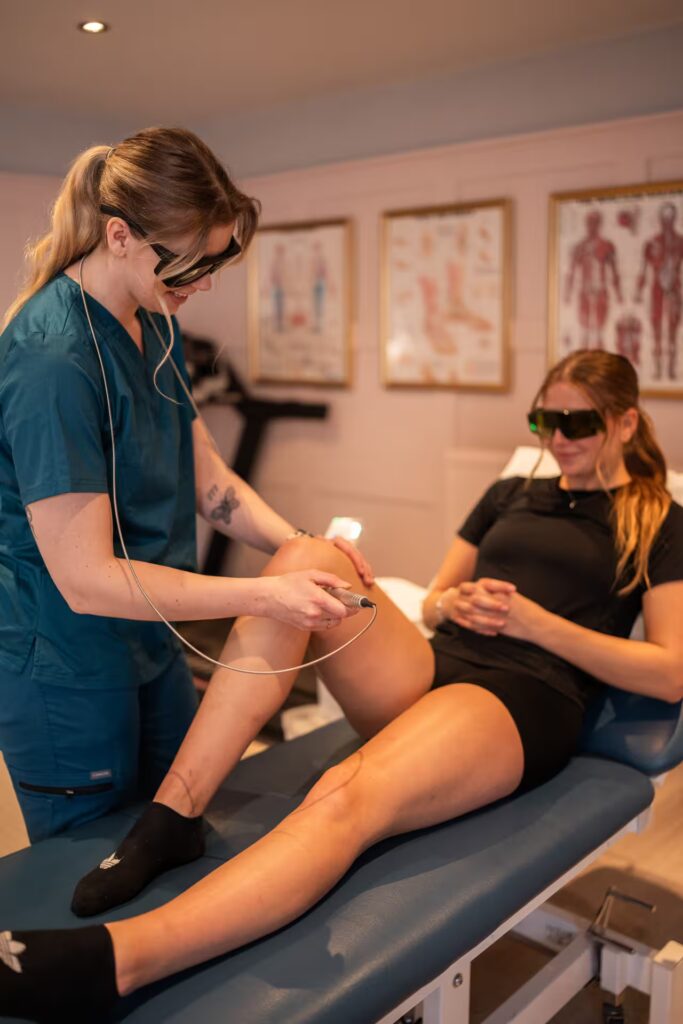
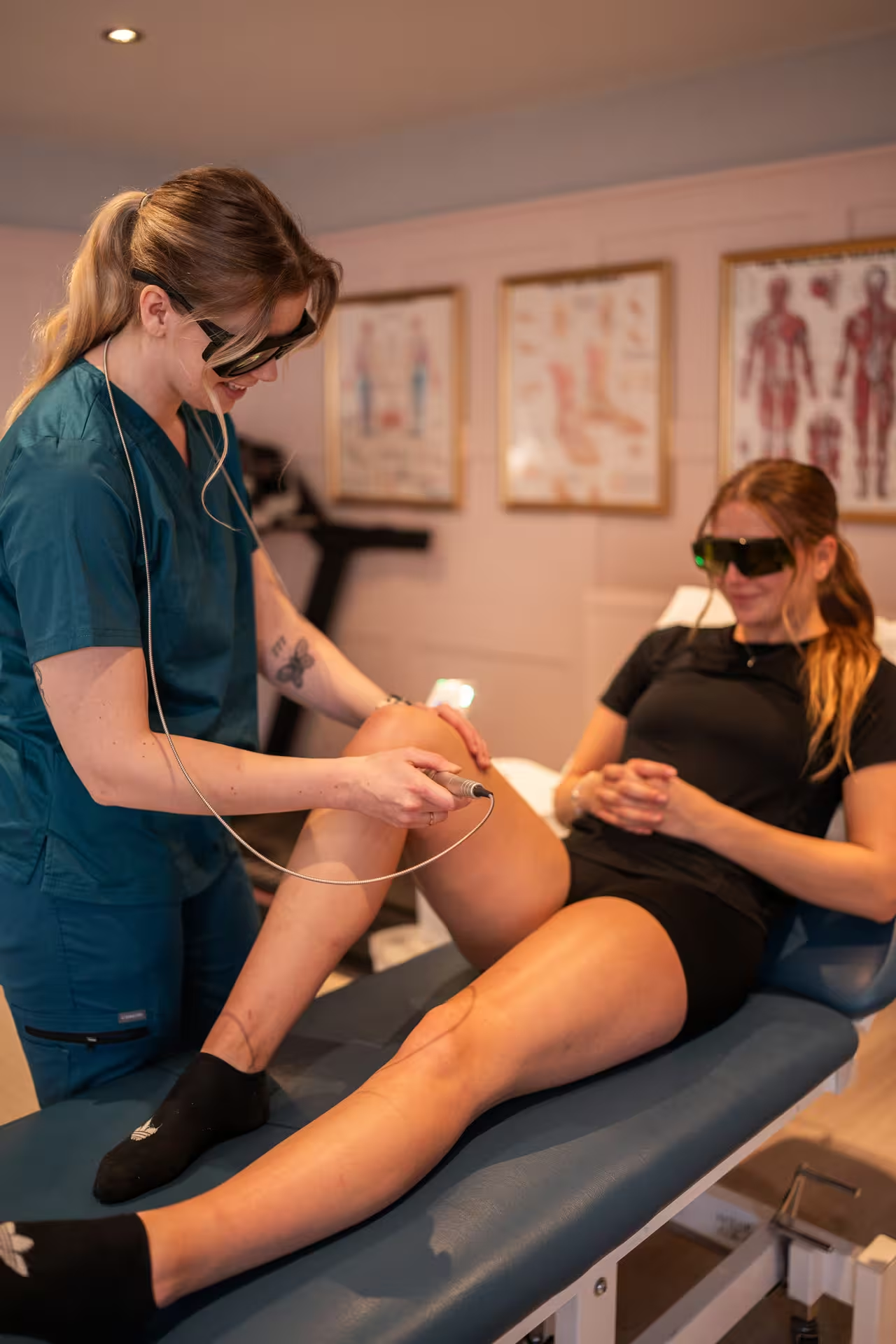
Treatment might include hands-on therapy to ease stiffness and improve movement, soft tissue work for tight or overworked muscles, and a tailored rehab programme to rebuild stability and control. We often use K-Laser or shockwave therapy for stubborn pain or swelling.
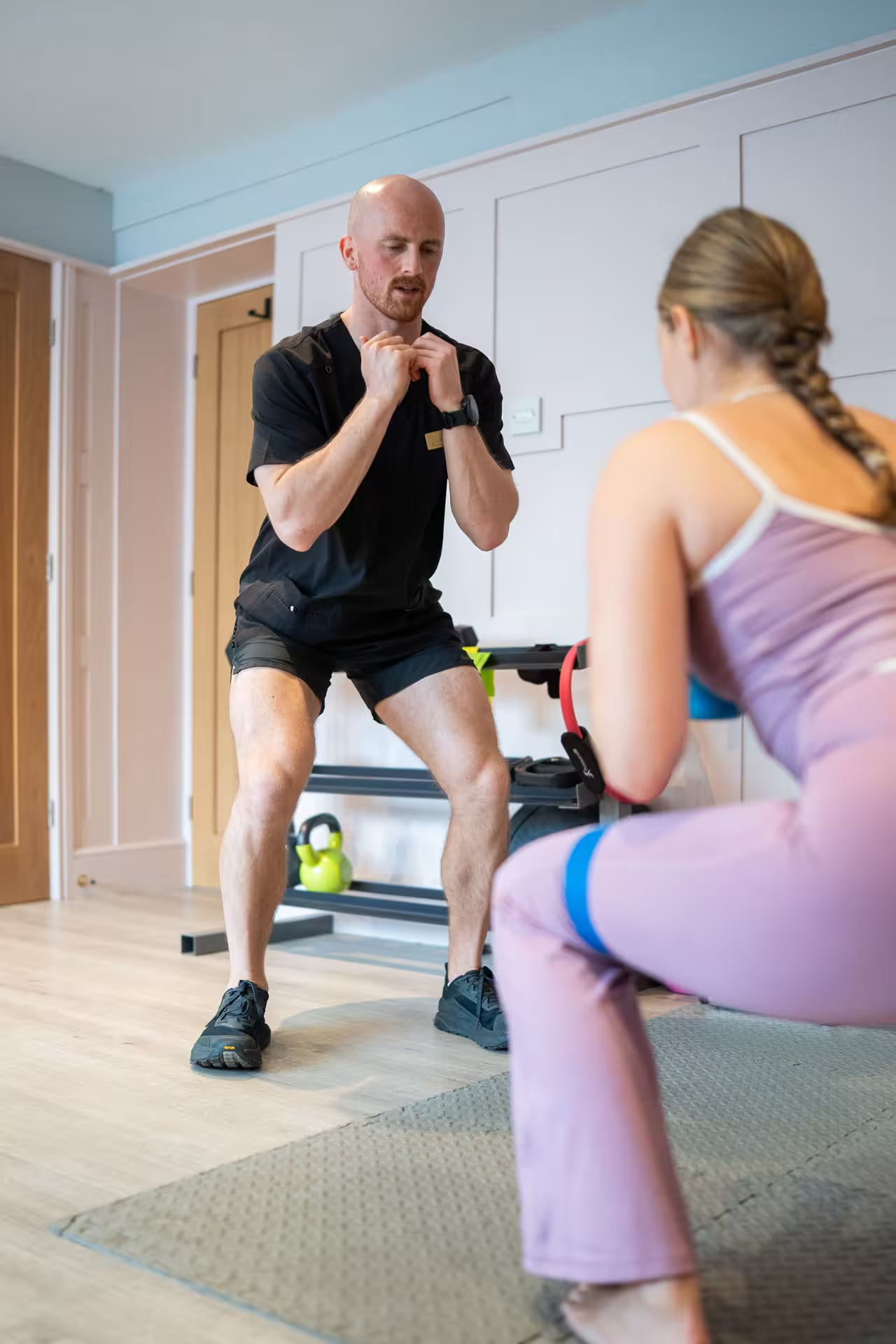
From early rehab in clinic, you’ll have the option to progress into small-group physio-led classes like Back to Activity, or strength-focused sessions like StrongHER Together and Strength at the Physio Rehab Barn. If needed, we can also provide 1:1 Pilates or Reformer Pilates sessions as well as gym sessions to support your recovery. Our goal is to get you moving well again — whether that’s walking comfortably, getting back to sport, or feeling stronger in day-to-day life.
Benefits of Knee Pain Treatment
Effective physiotherapy for knee pain can make a huge difference to how you move, feel, and live day to day. Whether you’ve been avoiding stairs, missing out on sport, or just struggling to get comfortable on the sofa — we’ll help you get your confidence back.
With a tailored plan that combines hands-on treatment, targeted strength work, and progressive rehab, you can expect less pain, better movement, and a return to the activities that matter most to you. For some, that means walking the dog or lifting the kids without worry. For others, it’s returning to running, sport or the gym without flare-ups.
We don’t just treat the symptoms — we help you understand the cause of your pain and what you can do to manage it long term. Whether you’re dealing with arthritis, a sporting injury or general wear and tear, our aim is to build a stronger, more resilient knee so you can move with ease for years to come.
Faq's
Knee Pain FAQs
How to relieve knee pain?
Start with relative rest — avoid aggravating movements like deep squats or prolonged standing, and try using ice or heat depending on whether swelling or stiffness is more of a problem. Gentle movement, stretching, and muscle activation (like quad sets or glute bridges) can also help settle early symptoms. If the pain persists or affects daily life, it’s time to get it properly assessed.
What’s the difference between a knee strain, sprain, or ligament injury?
A strain affects the muscles or tendons, while a sprain affects the ligaments that stabilise the knee. Ligament injuries (like ACL or MCL tears) range in severity and can cause instability, swelling, or pain after a twist or impact. A physio assessment can help identify the exact issue and guide your rehab.
How long does knee pain last?
It depends on the cause. Minor issues may settle in a few days to weeks, while ligament injuries, cartilage tears, or arthritis may require several months of rehab. Early treatment often leads to quicker, more complete recovery.
What exercises help with knee pain?
That depends on your diagnosis, but generally, exercises to improve hip and glute strength, quad control, and ankle mobility are useful. Step-ups, bridges, resistance band work and balance drills can all help — but it’s important to tailor the intensity and type to your specific needs.
How does a physio help with knee pain?
Not necessarily — rest isn’t always best. Avoid painful movements, but staying active within your limits can help reduce stiffness and aid recovery. We’ll help you find the right balance and progress your rehab safely.
Do I need a scan for knee pain?
In many cases, no — a thorough physiotherapy assessment is often enough to diagnose the issue. We’ll always refer you for imaging if it’s clinically appropriate or if your recovery isn’t going as expected.
Why does my knee hurt when going up or down stairs?
This is often a sign of patellofemoral pain syndrome. It can be caused by weakness or imbalance in the muscles that support the knee — particularly the quads, glutes, or calves.