Condition
Shoulder Pain
Shoulder pain can creep in gradually or strike after an injury — often making simple tasks like dressing, lifting your arm, or sleeping feel frustratingly difficult. Whether you’re struggling with frozen shoulder, impingement, rotator cuff problems or post-op stiffness, we’re here to help you understand what’s going on and guide you through recovery. At Back to Fitness Physio, we use hands-on treatment, targeted rehab, and progressive strength work to restore movement, reduce pain, and help you get back to doing what you love with confidence.

What is Shoulder Pain?
Shoulder pain is a common problem that can affect your ability to lift, reach, carry, or even sleep comfortably. For some people, it starts gradually — a bit of stiffness putting on a coat, or an ache when lying on that side at night. For others, it comes on suddenly after an injury, awkward movement, or overuse.
The shoulder is a complex joint with lots of moving parts — including muscles (like the rotator cuff), tendons, bursa, and joints. Pain can come from inflammation (like bursitis or tendonitis), impingement (where structures get pinched), joint stiffness (such as frozen shoulder), instability, or wear and tear (like arthritis). It can also be referred from the neck.
Shoulder pain can affect anyone — from people who sit at a desk all day, to swimmers, lifters, climbers, or busy parents lifting kids. The good news is, it usually responds really well to physiotherapy. Once we understand what’s going on, we can help reduce pain, improve movement, and guide you back to everyday tasks, training or sport.
What are the Common Symptoms of Shoulder Pain?
Shoulder pain can show up in different ways depending on the cause — sometimes it’s a dull ache deep in the joint, other times it’s a sharp pain when reaching overhead or out to the side. Many people notice pain when lifting, dressing, reaching behind them (like fastening a bra or grabbing a seatbelt), or lying on the affected side at night. It can feel weak, stiff, or sore — and in some cases, you might also hear or feel clicks, grinding, or catching.
Some conditions, like frozen shoulder, start with stiffness that gets gradually worse over time. Others, like rotator cuff injuries or impingement, tend to cause more pain during movement. You might also feel referred pain into the upper arm — making it harder to pinpoint exactly where the issue is coming from.
If you’re noticing these symptoms affecting your daily life, it’s a good idea to get things checked. Early treatment can prevent long-term stiffness and help you recover faster and more fully.
How we can Help With Shoulder Pain
At Back to Fitness Physio, we start by thoroughly assessing your shoulder — looking at your range of motion, strength, posture, and how your shoulder moves in relation to your neck, spine, and upper back. We also take the time to understand how your pain is affecting your day-to-day life, training, or sleep, so we can tailor a plan that works for you.
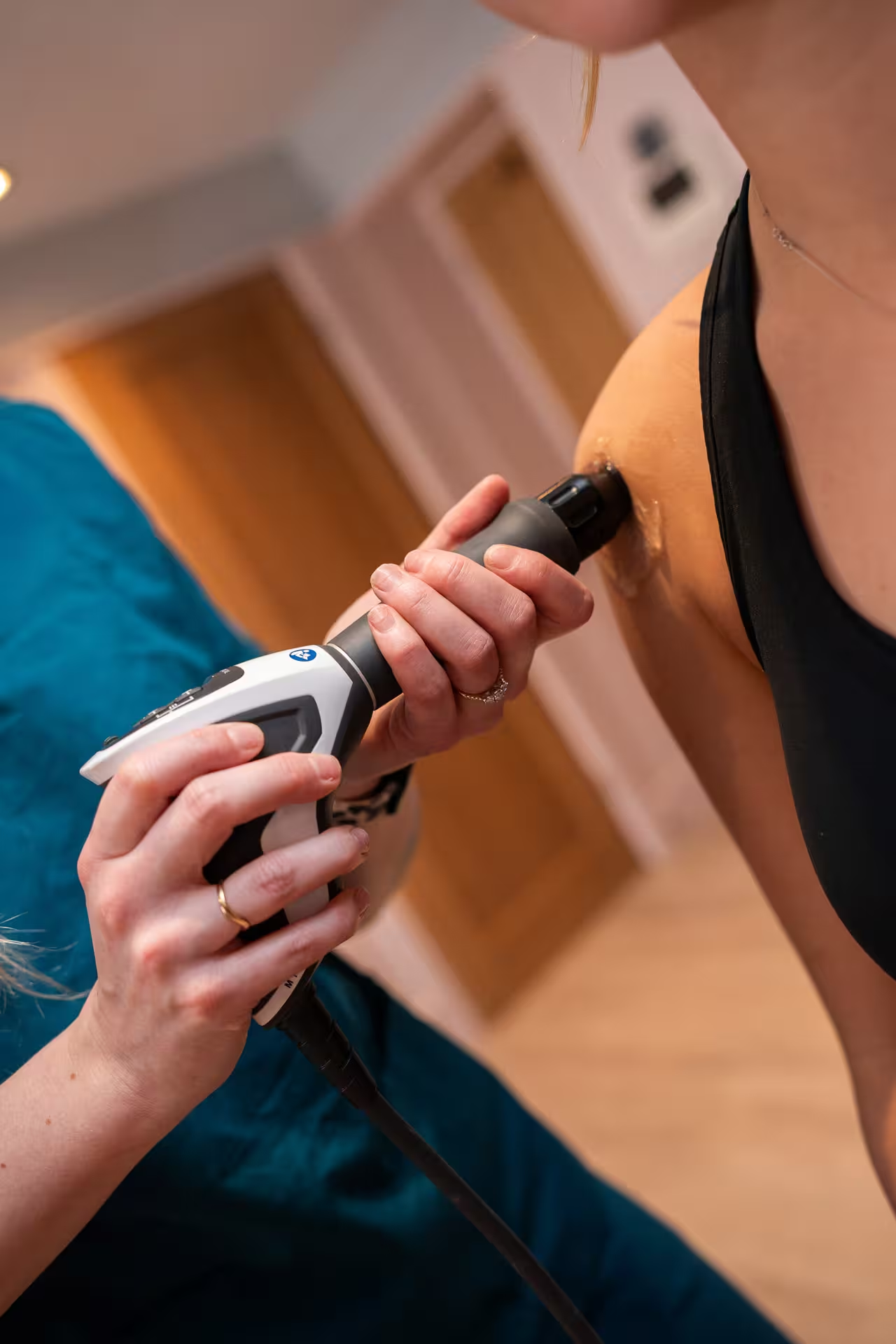
Treatment usually involves a mix of hands-on therapy to ease tightness, release painful structures, and improve mobility, alongside rehab exercises to restore strength and control — especially around the rotator cuff and shoulder blade. If needed, we may also use K-Laser therapy or shockwave to help reduce inflammation and speed up healing in tendon or soft tissue problems.
We’ll guide you through a progressive plan that moves from pain relief to full recovery — often including 1:1 rehab, Pilates, or classes like Back to Activity, Strength, or StrongHER Together, depending on your goals. Whether you’re aiming to lift again, sleep comfortably, or get back to sport, we’ll help you get there, step by step.
Benefits of Shoulder Pain Treatment
Treating shoulder pain isn’t just about easing the discomfort — it’s about giving you your independence and confidence back. Whether you’ve been struggling to reach overhead, sleep on your side, lift at the gym, or even put on a jacket without wincing, targeted physiotherapy can help you move more freely and with far less pain.
You can expect gradual improvements in mobility, strength, and function, as well as a better understanding of what caused the issue in the first place — so you feel more in control of your recovery. As we work through your rehab, day-to-day tasks often start to feel easier again, and those niggles that once made you hesitate or adapt your movements begin to fade.
Long term, our goal is to not only resolve the current problem but also help prevent flare-ups, build resilience, and get you back to doing what you love — whether that’s yoga, climbing, strength training, swimming, or simply lifting your child without hesitation.
Faq's
Shoulder Pain FAQs
How to relieve shoulder pain?
Gentle movement, applying heat, and avoiding painful overhead activities can help in the short term. Try to keep the shoulder moving within a comfortable range, and avoid complete rest. If the pain doesn’t settle in a few days, it’s worth getting it assessed.
How to sleep with shoulder pain?
Try sleeping on your non-painful side with a pillow supporting your arm in front of you, or on your back with a pillow under your elbow to keep the shoulder slightly elevated. Avoid lying directly on the painful side as this often aggravates symptoms.
How long does shoulder pain last?
It depends on the cause. Mild shoulder pain may settle within a few weeks, but conditions like frozen shoulder or rotator cuff injuries can take several months to improve — especially without the right treatment.
What exercises help with shoulder pain?
Early on, gentle range-of-motion exercises and shoulder blade control work can help reduce pain and stiffness. As you progress, targeted strength exercises for the rotator cuff and upper back muscles are key — but it’s important to choose the right ones for your condition.
How does a physio help with shoulder pain?
We assess the underlying cause of your pain, then use hands-on treatment, exercise, and progressive rehab to restore mobility, reduce inflammation, and strengthen the muscles around your shoulder and upper back. We also guide you on what to do — and what to avoid — to support long-term recovery.
What causes shoulder pain without injury?
Shoulder pain can develop gradually due to postural overload, tendon irritation, joint stiffness, or even stress-related tension. It’s also common in people who do repetitive overhead tasks or have spent a lot of time working at a desk or driving.
Do I need a scan for shoulder pain?
Not always. Most shoulder problems can be accurately diagnosed by a physiotherapist without the need for imaging. If we think a scan is necessary, we’ll discuss it with you and refer appropriately.
Can shoulder pain be referred from the neck?
Yes — sometimes neck issues can cause pain felt in the shoulder or upper arm. That’s why we always check your neck and upper back during your assessment to rule out referred symptoms.
Will my shoulder get better without physio?
Some mild injuries do resolve with rest and time, but ongoing stiffness, pain with movement, or weakness often needs treatment. Without addressing the cause, shoulder problems can linger or worsen — and physio helps speed up and guide your recovery properly.